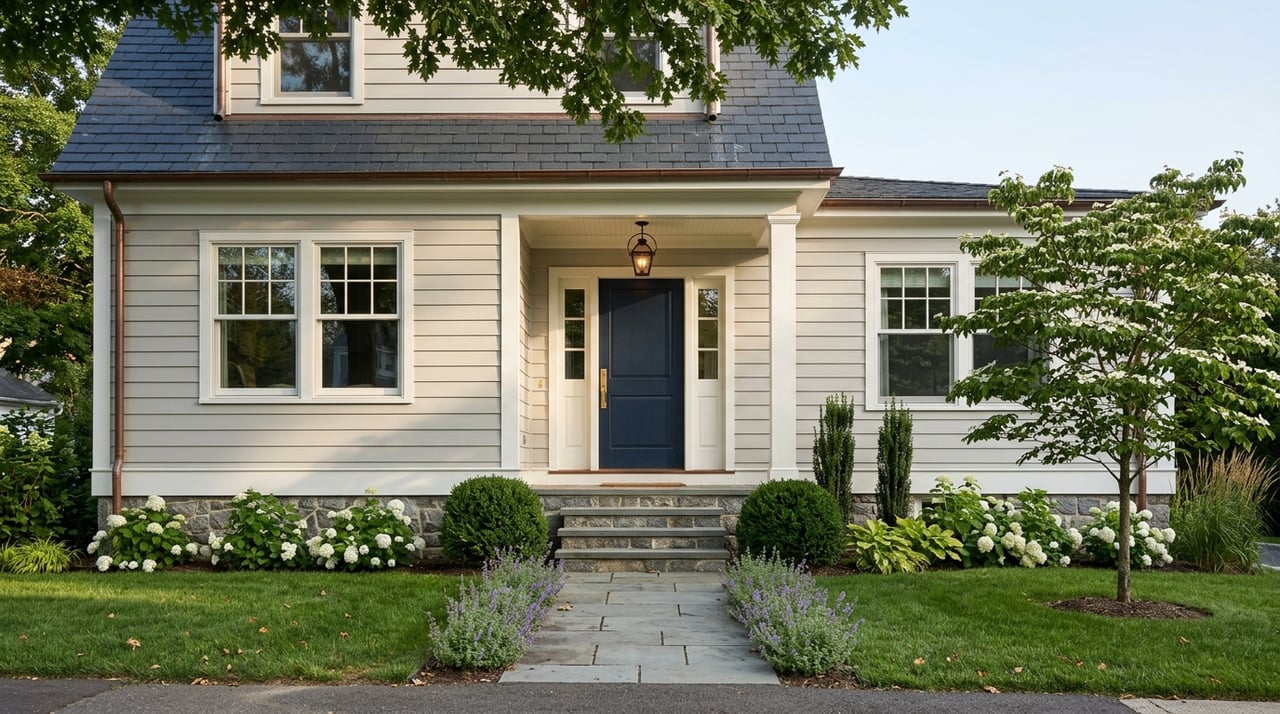
What if the hardest part of buying in Northern New Jersey is not finding a home, but choosing the kind of design experience you want to live in every day? If you care about architecture, streetscape, walkability, and public spaces, Essex County offers a lot to think about. From preserved historic neighborhoods to arts-focused downtowns and newer residential options in Newark, you can find several distinct looks and lifestyles within one county. Let’s dive in.
Essex County Offers More Than One Design Style
One of the biggest reasons Essex County stands out is variety. The county includes 22 municipalities, which helps explain why the housing stock and street character can feel so different from one place to the next.
For a design-minded buyer, that matters. You are not limited to one version of suburban charm or one type of urban living. Instead, you can explore preserved neighborhoods, village centers, arts-oriented downtowns, and newer mixed-use housing within a relatively compact area.
Historic Architecture Leads the Appeal
If architectural character is high on your list, Essex County gives you real depth. Several municipalities have formal preservation efforts or documented historic resources that help protect the look and feel of older neighborhoods.
That kind of structure often matters when you are buying for more than square footage. It can support a stronger sense of continuity in the streetscape, from façade details to the visual rhythm of blocks, civic buildings, and landscaped public areas.
Montclair Brings Preservation and Density
Montclair is one of the clearest examples of a town where design identity is part of the local fabric. The township highlights four locally landmarked historic districts and many state and national historic resources.
For you as a buyer, that can mean a strong concentration of older homes and protected streetscapes. Montclair also pairs that preservation focus with an active commercial core, which gives the town a layered feel rather than a purely residential one.
South Orange Blends Village Energy and Historic Homes
South Orange presents a different but equally compelling design story. The village describes itself as a residential community with Tudor, Colonial, and Victorian homes, gaslights, parks, and a busy Village center.
Its master plan also references architectural influences that include Italianate, Stick and Shingle, Tudor, and Art Deco. If you want historic housing styles near an active downtown, South Orange offers a mix worth studying closely.
Maplewood Shows Character and Reuse
Maplewood appeals to buyers who appreciate both older homes and the creative reuse of older buildings. The township says its Historic Preservation Commission has honored more than 500 century-old homes.
Its preservation plan also points to Colonial, Tudor, Italian Revival, Arts and Crafts, and Mid-Century Modern examples. On top of that, adaptive reuse projects like the Burgdorff Cultural Center and a former municipal building now used as a community art gallery and workshop reinforce the idea that design value here extends beyond private homes.
Glen Ridge Reflects Classic Civic Detail
Glen Ridge adds another layer to Essex County’s architectural appeal. State preservation records describe it as a late-19th-century commuter community with a historic district centered around its municipal complex.
The same records note high-quality detailing and identify the Minnie Lucey School as a 1929 Italian Renaissance Revival building. For buyers who notice civic architecture and neighborhood coherence, those details can shape how a place feels as much as any individual house does.
West Orange Adds a Distinct Design Legacy
West Orange broadens the conversation even further. The state historic trust notes that the gatehouse at Llewellyn Park was built in 1857 by Alexander Jackson Davis and reflects the Picturesque Movement.
The township also describes Llewellyn Park as the first gated community in the United States. That gives West Orange a design story tied not only to architecture, but also to landscape planning and historical development patterns.
Walkable Downtowns Add Everyday Appeal
Design-minded buyers usually care about more than the home itself. You may also want a downtown that feels active, visually engaging, and easy to enjoy on foot.
Essex County performs well here because several municipalities pair strong architecture with programmed public spaces, dining, retail, and arts activity. That combination can make your day-to-day experience feel more connected and vibrant.
Montclair Center Feels Regional and Lively
Montclair Center is positioned as a regional shopping, dining, and entertainment destination. It includes more than 400 retailers and restaurants along Bloomfield Avenue and nearby streets.
Its emphasis on placemaking and an arts-forward commercial core helps explain why the area often appeals to buyers who want visual energy outside their front door. If you like a downtown with movement, variety, and a strong identity, Montclair deserves a close look.
South Orange Supports a Pedestrian Village Core
South Orange Downtown focuses on making the Village Center cleaner, safer, and more pedestrian-friendly while preserving downtown’s architectural legacy. That balance matters if you want a center that feels active without losing its original character.
The village also supports exhibitions, classes, talks, performances, and festivals through its Arts & Cultural Affairs office. For you, that can translate into a downtown that functions as more than a place to run errands.
Maplewood Uses Events to Activate Space
Maplewood regularly turns its downtown into a more public, social setting through events. Township listings include the Maplewood Art Walk & Music Fest and Summer Streets in the Village.
These kinds of events reinforce the downtown as a place for art, music, vendors, and pedestrian activity. If you are drawn to neighborhoods where public life shows up in visible ways, that can be a meaningful part of the appeal.
Downtown Newark Brings Public Art and New Energy
Downtown Newark offers a different type of design environment. The downtown district promotes dining, shopping, and services, while the city’s public-art program commissioned or restored 25 murals from 2022 through 2024.
Newark Grounds is also described as a walkable cultural corridor with more than 75 consecutive public artworks. Add in the use of downtown parks as cultural spaces, and you get a setting that may appeal if you want a more urban, art-forward atmosphere.
West Orange Has an Arts Hub Identity
West Orange also connects design and culture in visible ways. The township highlights the West Orange Arts Council, Luna Stage, Pleasant Valley Productions, and the Valley Arts District.
For buyers who want access to creative programming without choosing a fully urban setting, that arts presence adds another dimension to the town’s appeal.
Newark Stands Out for Newer Housing
If your design priorities lean more contemporary, Newark is the clearest place in Essex County to watch. The city has a stronger pipeline of newer residential product tied to downtown revitalization.
That does not mean the rest of the county lacks change. It means the form of change often looks different depending on where you focus your search.
New Construction Is Most Visible Downtown
Newark approved Museum Parc, a downtown cultural hub with 250 apartments, retail, dining, and added gallery space. NJPAC’s redevelopment is also expected to add 350 residential units along with restaurants, stores, public spaces, and cultural venues.
For buyers interested in condo-style or mixed-use living, those projects help reinforce Newark’s live-work-leisure feel. This is especially relevant if you want newer housing tied to an active downtown environment.
Village-Style Towns Favor Compatibility
In Montclair, South Orange, and Maplewood, the pattern tends to be different. These communities more often combine preservation with compatibility rules, adaptive reuse, and transit-oriented redevelopment.
Montclair’s preservation commission reviews compatibility in new construction. South Orange identifies itself as one of New Jersey’s inaugural Transit Villages, and Maplewood’s preservation plan treats adaptive reuse as an established pattern. In practical terms, that may mean you are more likely to find converted or smaller-scale mixed-use options in these areas than large clusters of newer residential development.
Parks and Landscapes Shape the Experience
Good design is not limited to the house or downtown block. Public landscapes also affect how a place feels, and Essex County has an unusually strong story here.
The National Park Service says the Essex County Park System was shaped by Frederick Law Olmsted and Calvert Vaux. By 1895, 20 of the county’s 26 parks and reservations had been designed by the Olmsted firm.
Branch Brook Park Highlights the County’s Design Legacy
Branch Brook Park is specifically identified by the National Park Service as an Olmsted-designed park. It also gained 2,000 Japanese flowering cherry trees in 1927, adding another visual layer to the landscape.
For a design-minded buyer, that matters because the aesthetic experience of a place extends into shared public space. Parks, pathways, and planted landscapes can influence how connected and visually grounded you feel in your community.
How to Choose the Right Essex County Fit
The key is to match your design priorities with the right local pattern. Essex County is not one-note, and that is exactly why it appeals to style-conscious buyers.
As you compare towns, think about what matters most to you:
- Historic homes and protected streetscapes: Montclair, South Orange, Maplewood, Glen Ridge, and parts of West Orange
- Village-style downtown living: South Orange and Maplewood
- Large, active commercial core: Montclair Center
- Urban public art and newer mixed-use energy: Downtown Newark
- Landscape design and historic park access: Multiple areas across Essex County
If you start with your daily experience, not just your home wishlist, your search usually gets clearer. The right fit often comes down to whether you want preservation, adaptive reuse, downtown activity, newer housing, or a blend of all four.
Essex County gives you real range, which is a major advantage when you want a home that reflects your taste as well as your practical needs. If you want help narrowing the options and comparing how each town fits your goals, Justin Torres can guide you with clear advice, local perspective, and a smooth process.
FAQs
Why do design-minded homebuyers consider Essex County?
- Essex County appeals to design-minded homebuyers because it offers preserved architecture, active downtowns, arts-oriented public spaces, and newer mixed-use housing within one county.
Which Essex County towns are known for historic architecture?
- Montclair, South Orange, Maplewood, Glen Ridge, and West Orange all have documented historic or preservation-focused design features that appeal to buyers who value architectural character.
Where can you find newer housing in Essex County?
- Newark has the clearest concentration of newer residential development, especially in and around downtown revitalization areas tied to mixed-use projects.
What makes Montclair attractive to design-focused buyers?
- Montclair combines locally landmarked historic districts, protected streetscapes, and a large, arts-forward downtown with hundreds of shops and restaurants.
How does Maplewood appeal to buyers who like design?
- Maplewood offers older homes, multiple architectural styles, adaptive reuse projects, and downtown events that bring art and public activity into the Village setting.
Why do parks matter to homebuyers in Essex County?
- Essex County’s park system includes landscapes shaped by the Olmsted firm, which adds a strong public-space design element to the county’s overall appeal.