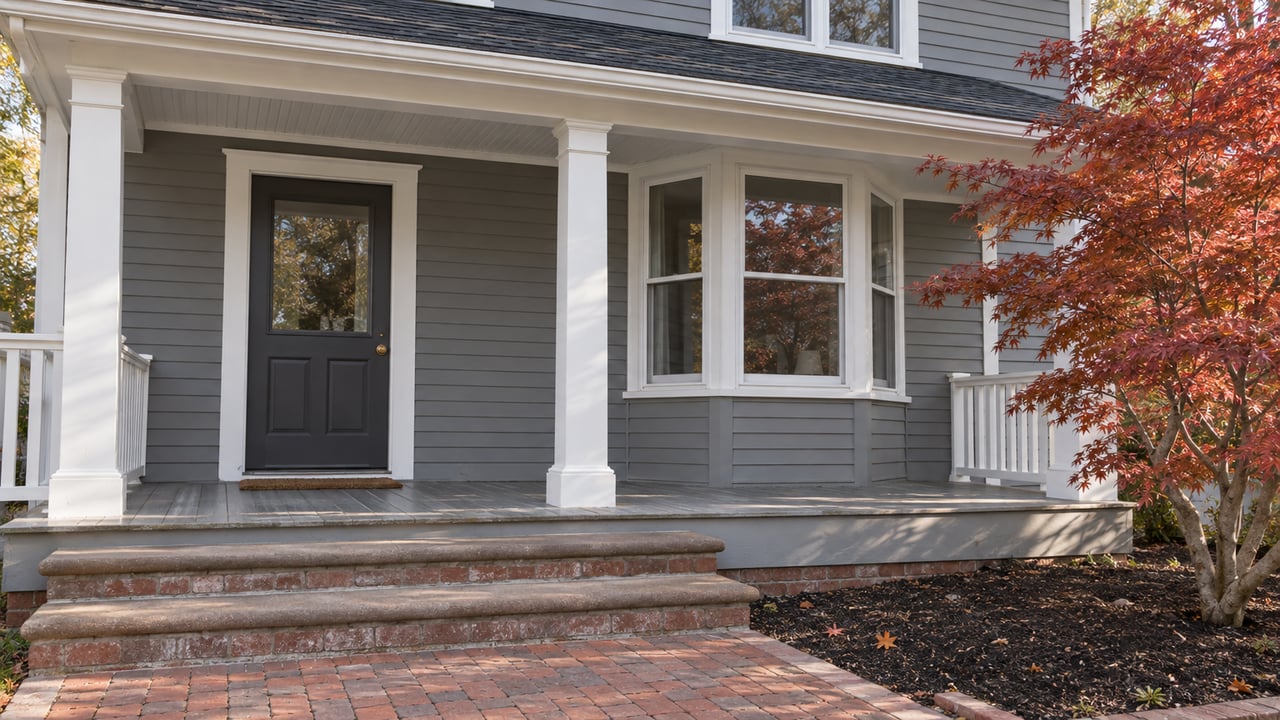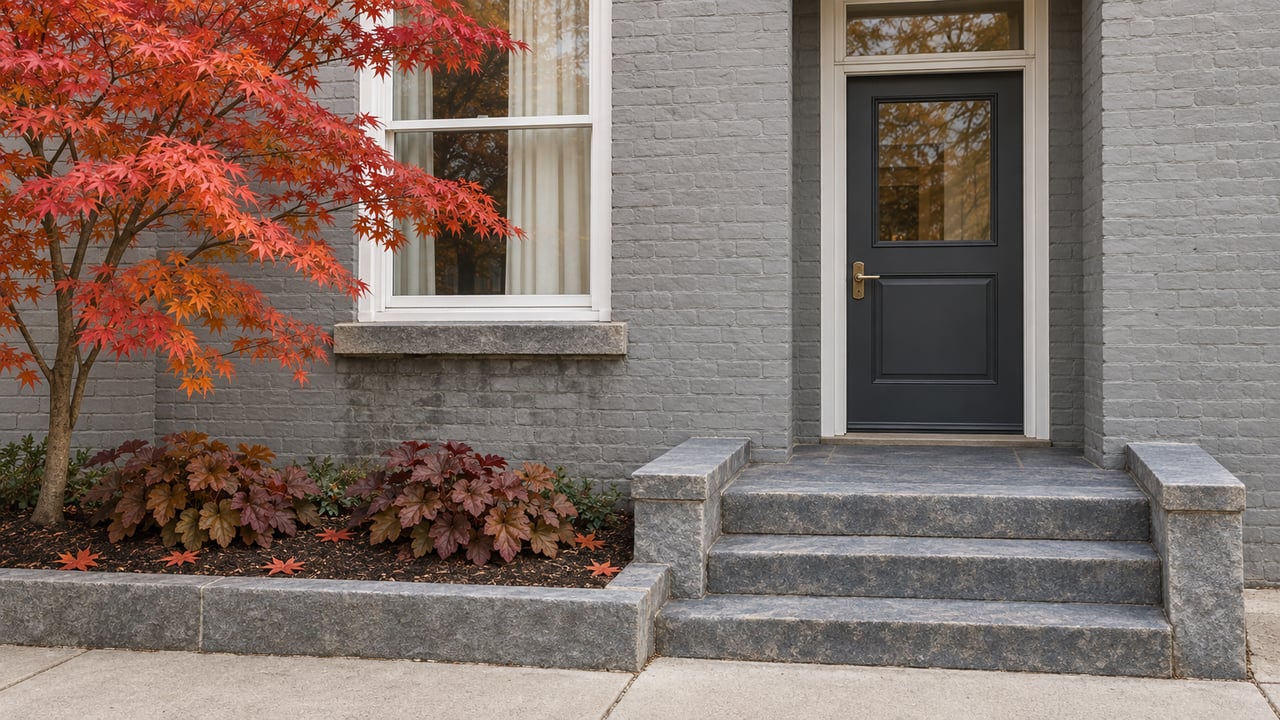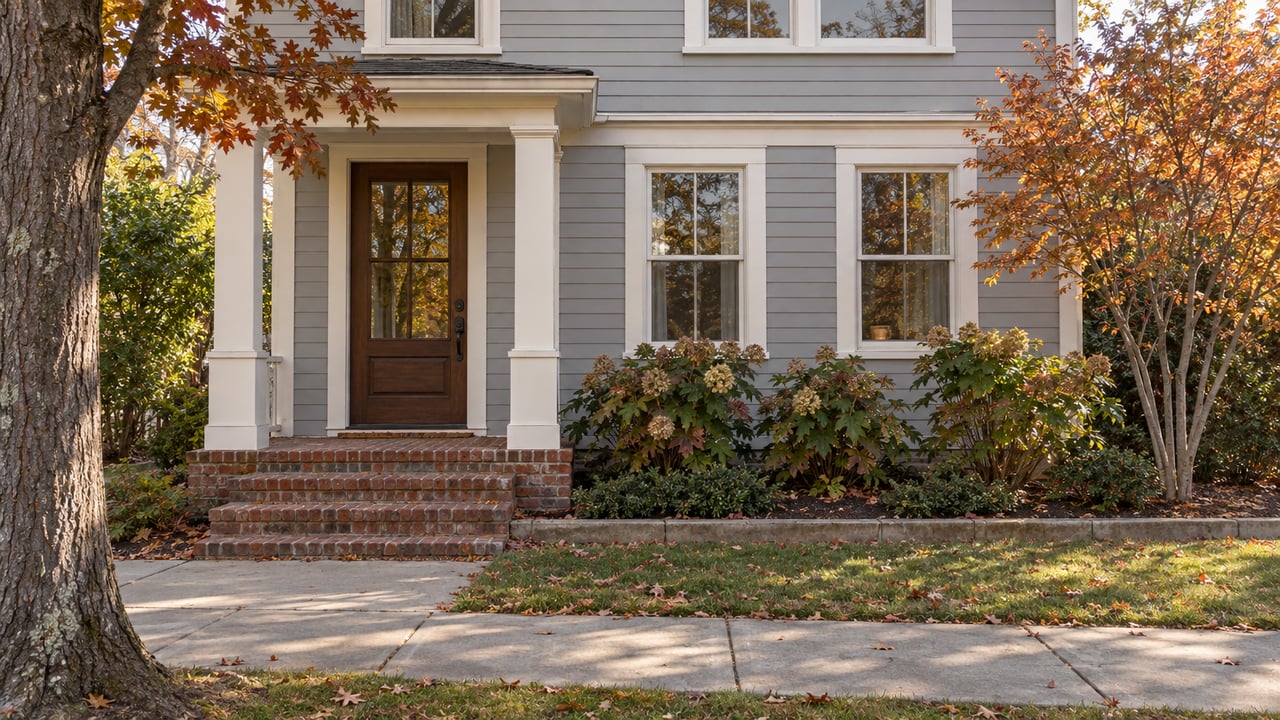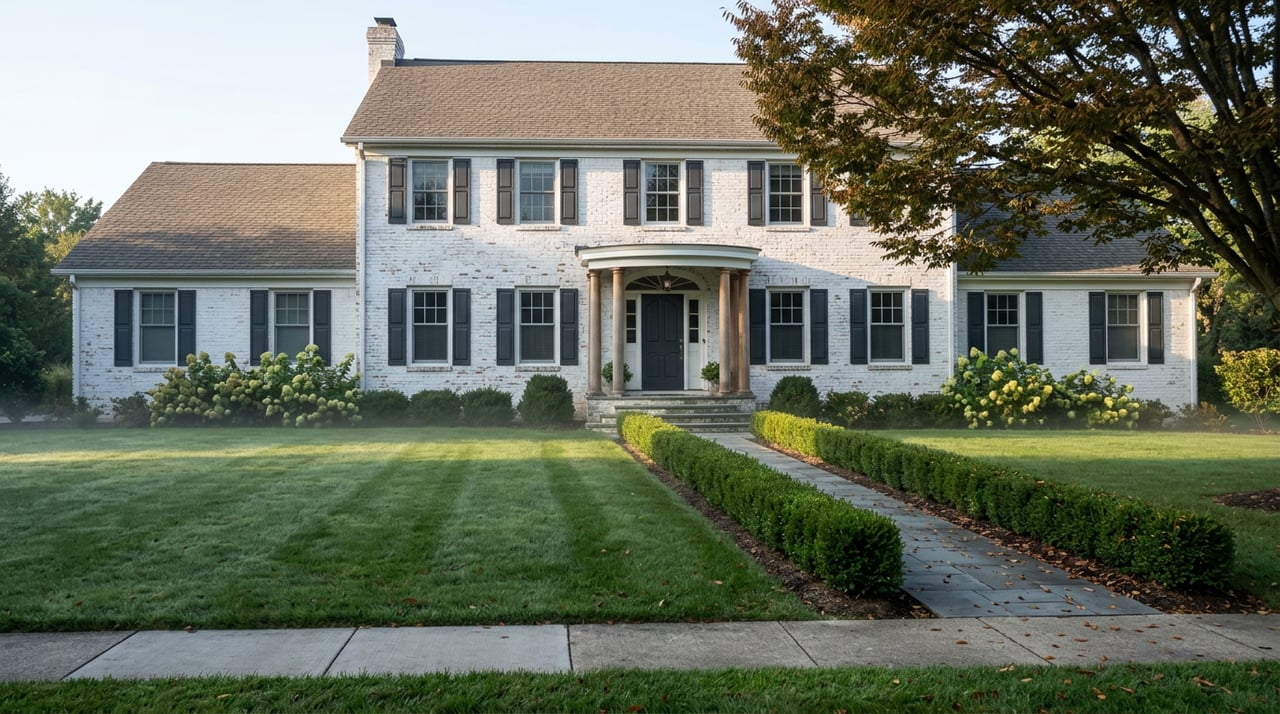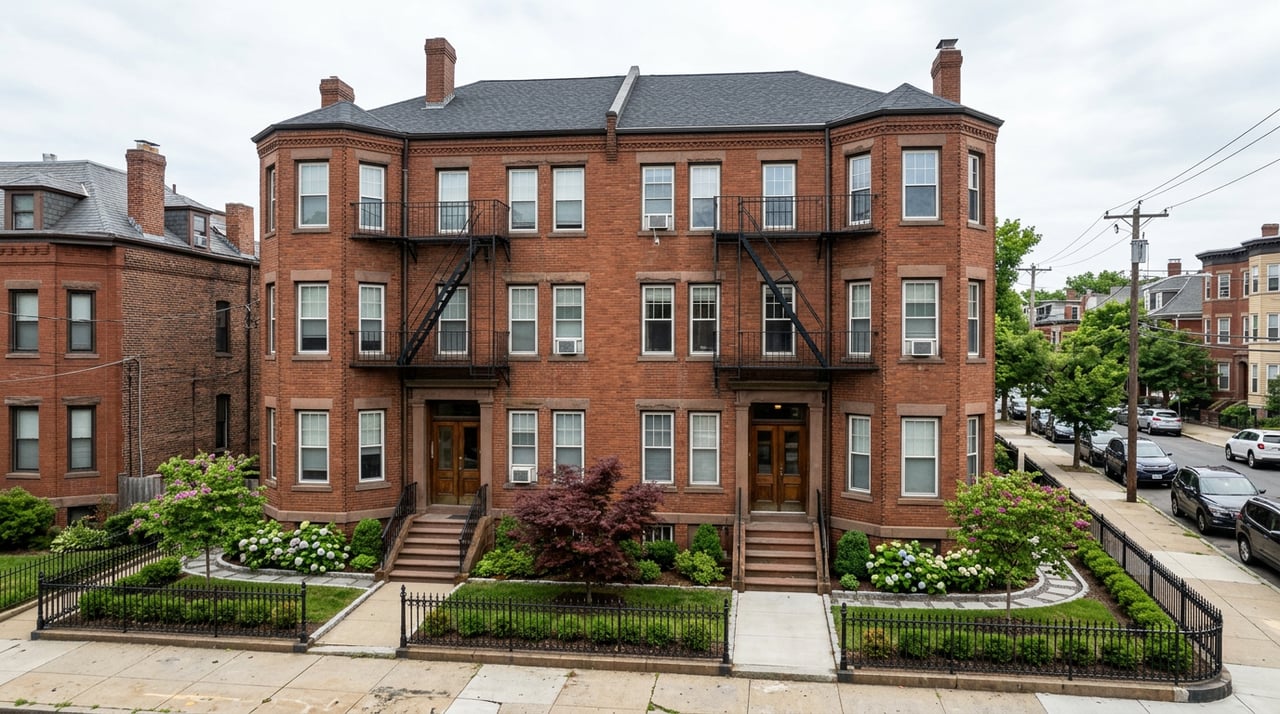
Two three-family buildings, half a mile apart, priced within a few thousand dollars of each other. Same brick construction era, same three two-bedroom layouts, same rent roll on paper. One sits in Newark's South Ward. The other sits four blocks west in Irvington, on the same Springfield Avenue corridor that runs through both towns without a stoplight to mark the border. An investor comparing these two buildings side by side would reasonably assume the rent control math is close to identical.
It isn't. In Essex County, whether a landlord can raise rent, register a unit for the first time, or claim an owner-occupant exemption depends less on the building and more on which municipal rent leveling board has jurisdiction over the block it sits on. That difference shows up in cash flow the first year of ownership, not five years down the road.
Four Towns, Four Different Definitions of "Covered"
Essex County has no county-wide rent control ordinance. Each municipality writes its own, and the thresholds for what counts as a "covered" building move from town to town.
Newark regulates rent through Title 19, Chapter 19:2 of its municipal code. The ordinance's own definition of a "multiple dwelling" is written broadly, and guidance on how narrowly or widely it actually gets enforced against small two- and three-family buildings varies depending on who you ask, which is exactly why a call to Newark's Division of Rent Control at 973-733-3675 belongs on every buyer's to-do list before an offer goes in, not after.
East Orange draws its line at four units. Buildings with three or fewer separate living units are exempt under Chapter 218 of the city's code. For buildings that are covered, the allowable increase resets each year based on the regional Consumer Price Index. RentCheckMe reports that the cycle that ran from April 2025 through April 2026 landed around 4.6 percent, and because the formula resets annually, that cycle has already rolled into a new one with a different number to confirm.
Irvington sets its threshold at three units under Chapter 472, but carves out an exception East Orange doesn't offer: owner-occupied three- and four-unit buildings are exempt even though the same building size would be covered if a non-resident owner held title. Covered buildings in Irvington are capped at 4 percent if the landlord supplies heat, 3 percent if the tenant pays for it, and 2 percent for units occupied by senior tenants.
Orange Township, the fourth municipality most small multi-family buyers in this part of the county will encounter, is described by Ecode360 as exempting hotels, motels, and buildings with three or fewer units outright, plus four-family houses where the owner occupies one of the units.
Line these four up and a pattern appears that has nothing to do with the building itself. A three-family investor purchase can be fully outside rent control in Orange Township, conditionally exempt in Irvington if the buyer plans to live there, and squarely covered under Newark's broader definition, all while the buildings themselves look interchangeable on a listing sheet.
Newark Just Rewrote Its Own Rulebook
Anyone underwriting a Newark purchase this year needs to account for a change that took effect only recently. On May 20, 2026, the city adopted Ordinance 6PSF-B, replacing the prior registration framework with an annual registration requirement for every dwelling unit in the city, including short-term rentals. The new structure adds a $50 per-unit inspection fee and a $100 per-unit penalty for any tenant change that isn't reported to the Rent Control Office.
That penalty structure matters because Newark's own ordinance ties the two together directly. As the city's rent control code states, the allowable annual increase will not be permitted if the landlord has not met the registration requirements. In plain terms: a landlord who skips registration doesn't just risk a fine, they lose the ability to raise rent at all until the paperwork is current. For a buyer who inherits a building from a seller with a lapsed registration, that's a first-year cash flow problem that shows up before the first mortgage payment does.
What This Actually Changes at the Closing Table
None of this shows up on a standard listing sheet, which is exactly why it needs to happen during due diligence rather than after closing.
- Call the specific municipality's rent control or rent leveling board before writing an offer, not after. Newark, East Orange, Irvington, and Orange Township each maintain separate offices, and none of them will confirm a building's status over email on a rush timeline.
- Request the seller's registration file directly from the municipal rent office. In Newark, an unregistered building carries an immediate increase freeze until the paperwork is filed and current.
- Ask whether any unit has an active new-construction or substantial-rehabilitation exemption, and get the exemption's start date in writing. Under New Jersey's newly constructed multiple dwelling law, these exemptions typically run 30 years from a building's certificate of occupancy and remain with the property through a change of ownership. A seller's exemption becomes the buyer's exemption automatically, but only if it was filed correctly in the first place.
- Confirm the current year's allowable percentage rather than relying on last year's number. East Orange's 4.6 percent applied to the cycle that closed in April 2026, and the figure resets against CPI every cycle after that, so the number in effect right now is worth a phone call rather than an assumption.
- If the plan is to live in one unit as an owner-occupant, verify that the specific town actually recognizes an owner-occupant exemption for the unit count in question. Irvington exempts owner-occupied three- and four-unit buildings. East Orange's exemption threshold is written around unit count alone, not occupancy, so moving in doesn't change coverage the same way it would four blocks away in Irvington.
The Owner-Occupant Loophole Isn't the Same Loophole Everywhere
This is the detail that trips up buyers most often, because "owner-occupied" sounds like a single, portable concept. It isn't, at least not within Essex County's patchwork.
An investor who buys a three-family in Irvington and does not move into one unit remains subject to rent control, while the same three-family in East Orange is exempt based on unit count, regardless of who lives there. If the Irvington buyer moves in, the owner-occupant exemption applies. Orange Township exempts three-or-fewer unit buildings outright and adds a separate exemption for owner-occupied four-family houses.
For a buyer weighing two comparable three-family listings, one in Irvington and one in East Orange, at similar asking prices, the achievable rent trajectory over a five-year hold looks meaningfully different depending on which side of the line the building sits, even before construction costs or property taxes enter the comparison.
As of July 2026, Essex County's multi-family inventory carried a median asking price around $710,000 countywide, a figure that spans everything from Newark's Ironbound section, where investor interest along the Ferry Street corridor has stayed steady, out to the more suburban stretches of the county where multi-family stock is scarcer. That median doesn't move for rent control status. What a buyer can actually do with the rents inside that building does.
FAQ
If I buy a rent-controlled building in Newark, am I stuck with whatever rents the previous owner was charging? Not permanently, but the annual increase is capped and tied to registration.
Does moving into a unit as an owner-occupant remove rent control automatically? Only in towns whose ordinance specifically exempts owner-occupied buildings of that unit count. Irvington and Orange Township both write owner occupancy into their exemption language for smaller multi-family buildings. East Orange's exemption is based on unit count alone, so occupancy doesn't change coverage there.
Do exemptions transfer to a new owner, or do they reset at sale? New construction exemptions filed correctly under New Jersey's newly constructed multiple dwelling law run with the property for their full term, typically 30 years from the certificate of occupancy, regardless of who owns the building. A change in ownership does not restart or void the exemption period.
If you're weighing a multi-family purchase anywhere between Newark, East Orange, Irvington, and the rest of Essex County, the rent control status of a specific building is worth confirming before it becomes part of your offer, not after. Justin Torres and the team at Just Sells work across these towns regularly and can help you understand what a specific building is actually worth once its exemption status is clear. Get a Free Home Valuation to start that conversation.
This article is general information, not legal, tax or financial advice. Consult a qualified professional about your situation.